Use Cases
INTEGRITAS starts with one core capability: predicting the right quantity of each product at each location. That alone unlocks value across different types of operations.

Supermarkets & convenience
Balance freshness, availability and waste across perishable categories such as salads, bakery, ready-to-eat and dairy. INTEGRITAS helps store teams order more precisely for each day of the week and each store format – especially where local patterns matter more than central averages.

Restaurants & food service
Predict how many portions and components you’ll need for upcoming days and shifts, taking into account bookings, weekday patterns, weather and seasonality. Reduce over-production and last-minute emergency orders, while maintaining consistent service levels.
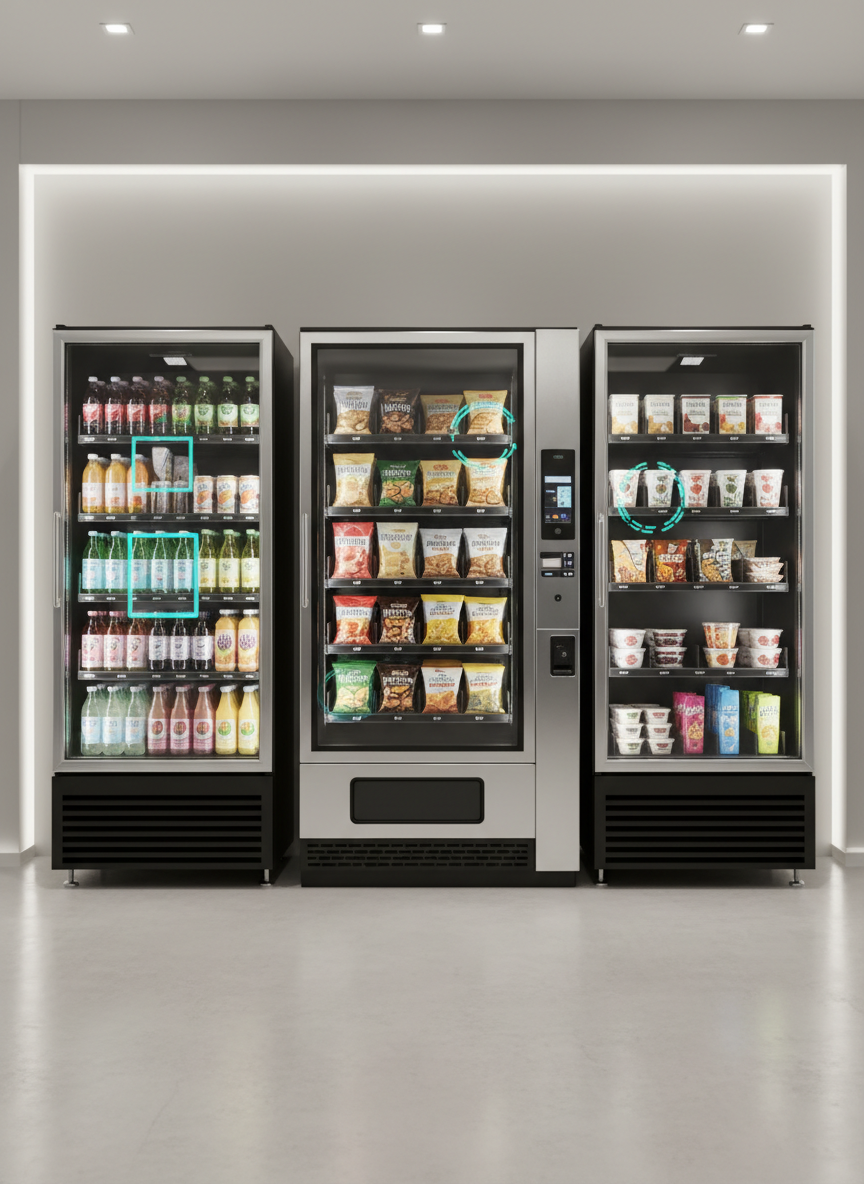
Vending, micro-markets & fridges
For beverage and snack machines, office fridges or micro-markets, INTEGRITAS forecasts demand per location and refill cycle. That means fewer expired items in machines and better availability of top sellers at high-traffic spots.
How INTEGRITAS fits into your workflows
Connect
Connect daily inventory counts, sales data and simple staff feedback with external signals like weather, seasonality and holidays. INTEGRITAS brings all relevant information into one place, without forcing you to change your existing tools overnight.

Learn
Machine learning models detect how demand for each product behaves across weekdays, seasons, temperatures and locations. The system learns your specific patterns, not just generic industry averages, and updates its understanding as more data comes in.

Decide
Every day, INTEGRITAS translates data and forecasts into clear order suggestions per product and site. Store teams and central planners see recommended quantities, expected demand and the main drivers – and can accept, adjust or override with a few clicks.

Improve
The platform tracks what was recommended, what was actually ordered and what really sold. This feedback loop continuously sharpens the models and shows where processes, assortments or delivery rhythms can be improved to reduce waste even further.